

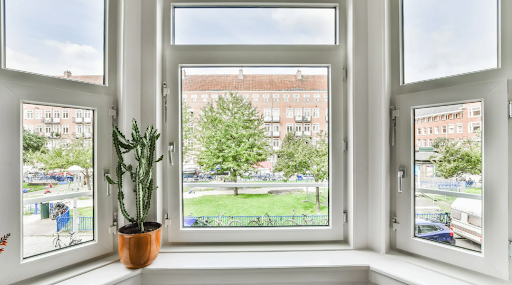
The placement of windows in your home does more than just frame a view; it significantly impacts your home’s energy consumption and comfort levels. Many homeowners focus on the glass and frame materials but overlook the crucial role of orientation. By strategically placing your windows in Houston, you can harness natural light and heat, reducing your reliance on artificial heating and cooling systems. This simple consideration can lead to substantial energy savings and a more comfortable living environment year-round. Understanding how to leverage the sun’s path is key to creating a truly energy-efficient home.
The Science of Solar Gain
The direction your windows face determines how much direct sunlight they receive, a concept known as solar heat gain. This isn’t a one-size-fits-all solution; the ideal orientation depends on your climate and lifestyle. Properly managing solar gain means your home can stay warmer in the winter and cooler in the summer, directly impacting your utility bills.
North-Facing Windows
Windows facing north receive very little direct sunlight throughout the day. This results in consistent, indirect light that is great for rooms like offices or studios where glare can be an issue. In warmer climates, north-facing windows are highly beneficial as they help keep interiors cool. However, in colder regions, they can contribute to heat loss during the winter months, making high-performance glazing a wise investment.
South-Facing Windows
In the Northern Hemisphere, south-facing windows are the champions of energy efficiency. They receive the most sunlight during the winter when the sun is low in the sky, providing passive solar heating that can warm your home naturally. In the summer, when the sun is higher, a properly sized overhang can block the direct rays, preventing overheating. This makes them ideal for living rooms and high-traffic areas where you want to maximize natural light and warmth.
East and West-Facing Windows
East-facing windows capture the intense morning sun, which can be pleasant for waking up but quickly heats up a room. West-facing windows receive the full force of the hot afternoon sun, contributing significantly to heat gain during the summer. This can strain your air conditioning system. To manage this, consider using low-emissivity (Low-E) coatings or strategic landscaping to provide shade. When comparing different window styles for every room in your home, you might choose smaller or specially coated windows for these elevations.
Conclusion
Optimizing your home’s window orientation is a powerful strategy for enhancing energy efficiency and comfort. By understanding the unique characteristics of each direction, you can make informed decisions that reduce energy costs and create a more pleasant indoor environment. Pairing strategic placement with high-quality windows is the most effective approach to managing your home’s thermal performance. For the best results, consulting with a professional can help you tailor a window solution perfectly suited to your home’s specific layout and your local climate. Expanding this strategy positions homeowners to capture long-term value through smarter energy utilization, improved daylight management, and stronger climate control. Thoughtful orientation planning minimizes heat gain, stabilizes indoor temperatures, and reduces the operational load on HVAC systems, driving measurable cost savings over time.