

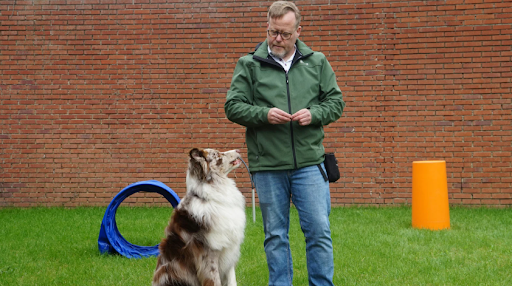
Dog training has undergone a major transformation over the years, shifting from dominance based methods to approaches rooted in communication, trust, and motivation. Modern trainers now prioritize techniques that strengthen the bond between dogs and their owners while encouraging desirable behavior through reward based systems. Many pet owners who work with a dog trainer in Atlanta discover how effective positive reinforcement can be in shaping behavior without creating fear or stress. Understanding how these training methods evolved provides insight into why they remain the preferred choice for today’s trainers.
Why Positive Reinforcement Works So Well
Positive reinforcement focuses on rewarding the behaviors you want to see rather than correcting those you do not. This approach creates a supportive learning environment where dogs feel confident and encouraged to try new things. When actions are consistently followed by positive outcomes, dogs begin to associate training with enjoyment rather than pressure. This method also supports clearer communication. Instead of guessing which actions might lead to correction, dogs quickly learn exactly which behaviors earn rewards. Training sessions become more enjoyable for both the dog and the owner, which increases consistency and long term success.
Another advantage is adaptability. Positive reinforcement works for puppies, adult dogs, and even those with behavioral challenges. It is helpful for teaching basic manners, advanced skills, or modifying unwanted behaviors. Dogs who may have struggled under older training styles often thrive when taught through rewards and encouragement.
From Traditional Training to Reward Based Methods
Traditional dog training relied heavily on compulsion and correction. These methods focused on discouraging unwanted behaviors through physical or verbal pressure. While some dogs responded, others developed fear, anxiety, or confusion. Over time trainers began recognizing that dogs learn more effectively when they feel safe and motivated. This shift opened the door to reward centered training where desirable actions were reinforced rather than mistakes being punished.
As training philosophies continued to advance, professionals began embracing evidence based behavioral science. Research highlighted how dogs form associations and respond to rewards. Trainers also recognized that positive reinforcement encourages long lasting learning because dogs willingly repeat behaviors that lead to good outcomes. Top dog trainers show how many professionals in the field have adopted these principles to support better results and happier relationships between pets and their owners.
Treats, praise, toys, and clicker training became common tools, helping dogs understand commands more quickly while maintaining enthusiasm. This kind of training not only teaches obedience but fosters trust and strengthens emotional connection.
The Role of Professional Trainers in Shaping Modern Methods
Professional trainers have played an essential part in advancing positive reinforcement techniques. By studying canine behavior and applying research driven methods, trainers continue refining how dogs are taught. Many training programs now emphasize communication, emotional well being, and individualized strategies based on each dog’s needs.
Working with a trainer also helps owners understand how to use reinforcement effectively. Timing, consistency, and choosing the right reward all influence success. Trainers teach owners how to shape behavior gradually and set their dogs up for success in everyday environments. Positive reinforcement has become a foundation for many training schools because it aligns with modern understanding of animal welfare. Today’s trainers prioritize humane approaches, focusing on respect, patience, and mutual understanding.
Conclusion
The evolution of positive reinforcement in dog training reflects a shift toward more compassionate, science based methods that support both learning and emotional well being. By rewarding desired behaviors and strengthening communication, trainers help dogs build confidence and trust. This approach has become widely embraced for its effectiveness and its ability to nurture strong relationships between dogs and their owners.