

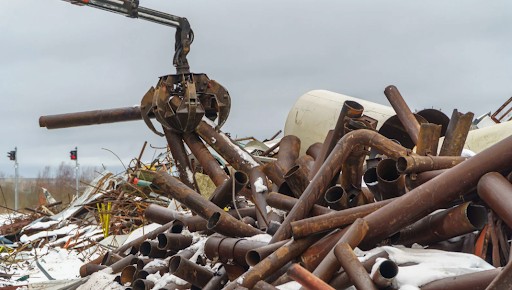
Redevelopment projects often begin with clearing a site to prepare it for new construction or updated infrastructure. When older buildings or industrial structures contain large amounts of metal debris, the cleanup process can become time-consuming without the right approach. Many project managers rely on scrap metal demolition in Atlanta to handle large volumes of metal quickly and efficiently. Professional demolition teams help ensure that sites are cleared in a timely manner, which allows redevelopment work to move forward without unnecessary delays. By focusing on organized removal and precise handling, these services support faster project transitions.
Reducing Obstacles That Slow Down Redevelopment Work
Metal debris can obstruct pathways, limit equipment access, and delay construction crews.
A dedicated demolition team removes these obstacles by clearing scrap in an organized sequence that keeps the work area open and manageable. This approach allows other crews, such as construction teams, surveyors, or inspectors, to proceed with their tasks without interruption. When debris is handled promptly, it supports smoother coordination across all project stages.
Enhancing Accuracy in Identifying and Removing Metal Structures
Older facilities often contain hidden metal structures that require professional assessment before removal. Skilled demolition teams know how to identify embedded beams, underground material, or reinforced areas that are not visible at first glance. Their accuracy prevents mistakes that could lead to structural complications or delays in site preparation. Proper identification also ensures that removal happens safely and in the correct order.
Improving Efficiency During Initial Site Clearing
The first stages of redevelopment often involve dismantling structures and removing heavy materials. Understanding the benefits of scrap metal demolition for commercial properties explains how specialized teams manage large-scale metal removal. Scrap metal demolition professionals use strategic methods to quickly break down metal components, shortening the time needed for early cleanup. Their experience ensures that the area is prepared for the next phase without complications that can interrupt progress.
Supporting Better Use of Heavy Machinery
Large demolition projects depend on machinery such as cranes, cutting tools, and loaders.
Experienced teams know how to operate this equipment effectively, which reduces downtime and improves overall speed. Proper use of machinery also minimizes the risk of equipment damage from improper handling of heavy metal components. This helps maintain consistent progress and prevents setbacks related to equipment repairs or replacements.
Allowing Construction Teams to Start Work Sooner
A cleared site is essential for beginning redevelopment activities. When scrap metal demolition is handled promptly, construction crews can start grading foundation work or surveying sooner. This early start often shortens the total project timeline and helps developers meet target deadlines. Faster transitions also reduce the likelihood of scheduling conflicts among various contractors involved in the redevelopment process.
Improving Job Site Organization for Ongoing Work
A well-organized site creates better working conditions for everyone involved. Demolition teams remove metal in a planned sequence, which keeps the area orderly and easy to navigate. This organization reduces confusion and eliminates the need for constant rerouting around debris piles. When each team has a clear work path, productivity improves across the entire project.
Minimizing Risks Associated With Leftover Metal Debris
Metal materials left unattended on a job site can become hazards. Removing them promptly helps keep workers safe and reduces disruptions caused by accidents or material instability. Professional demolition crews follow proper handling procedures to ensure that the site remains safe for ongoing activity.
Conclusion
Scrap metal demolition plays an important role in speeding up redevelopment timelines by clearing debris quickly, maintaining organized work areas, and supporting smooth transitions between project stages. With expert handling and efficient processes, sites become ready for construction sooner, allowing redevelopment plans to move forward without unnecessary delays.