

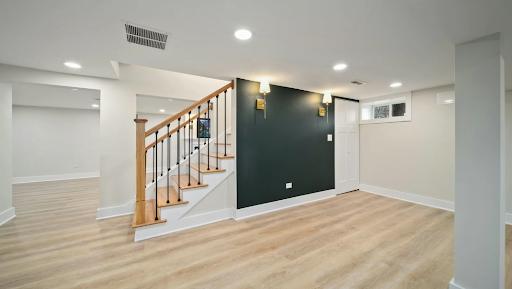
Finishing a basement can completely change how your home works for you. What was once a dark storage space can become a bright area for relaxing, hosting, or giving your family room to spread out. The key is planning the project with comfort, safety, and long-term value in mind. Homeowners who work with remodeling experts in Hinsdale often want a basement that feels like a true extension of the home, not an afterthought. With professional guidance, you can avoid common pitfalls and create a lower level that stays functional for years.
Start with moisture control and structural readiness
Basements are naturally more vulnerable to dampness than upper floors. Before any finishes go in, professionals evaluate the foundation, walls, and floor for signs of moisture intrusion. Even small leaks or humidity problems can damage drywall, flooring, and framing after the remodel. A proper plan may include sealing cracks, improving exterior drainage, or adding vapor barriers and dehumidification.
This step is not about overbuilding. It is about making sure the space stays dry and comfortable once people begin using it daily. Tackling moisture first protects every dollar spent on the finished space.
Plan a layout that matches real life needs
A finished basement should support how your household actually lives. Professionals work with you to define zones, such as entertainment, guest space, office use, or play areas. Clear zoning prevents the basement from feeling like a random collection of rooms and helps it flow naturally. Think about access too. Stair placement, hallway width, and door swings matter more below ground where natural openness is limited. A thoughtful layout can make the space feel larger without changing the footprint.
Prioritize lighting and ceiling solutions
Lighting is what turns a basement from gloomy to inviting. Professionals layer light sources to remove shadows and brighten corners. Recessed lighting often works well, but wall sconces and task lighting add warmth and function.
Ceiling height is another major factor. Basements can feel cramped if ducts and beams dominate the view. Skilled remodelers use soffits, drop sections, or creative framing to keep the ceiling visually clean while preserving headroom.
Think through plumbing and electrical placements
If your basement will include a bathroom, wet bar, laundry, or kitchenette, plumbing must be planned carefully. Drain lines, venting, and any need for pumps should be addressed before walls are closed. Electrical planning is just as important for outlets, lighting controls, media zones, and charging areas. Professionals map these systems early so they fit the layout cleanly and meet safety standards. That prevents messy surface wiring or awkward fixture placement that can make the space feel unfinished.
Choose durable materials for below-ground living
Basement finishes need to handle temperature shifts and occasional humidity better than upper-floor materials. Professionals recommend flooring, trim, and wall systems designed for lower-level conditions. That might mean moisture-resistant wall boards, stable flooring cores, and finishes that stay strong through seasonal changes. Material choices also affect how the basement feels. Soft textiles add warmth, while clean lined finishes keep the space bright and modern. Many homeowners want to transform their basemnet into a multi functional family haven, and material choices play a big role in that goal. Comfortable flooring, inviting wall finishes, and smart storage help the basement become a place everyone actually uses.
Conclusion
Finishing a basement successfully depends on thoughtful planning long before the first finish goes in. Moisture control, structural checks, smart layout zoning, strong lighting, comfort upgrades, and durable materials all work together to create a lower level that feels bright, safe, and welcoming. With professional support guiding each decision, your basement can become one of the most valuable and enjoyable spaces in your home.