

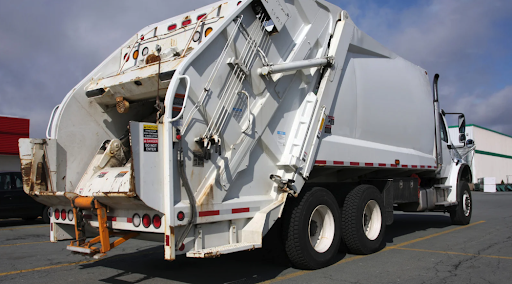
Determining the right frequency for waste removal services often feels like a balancing act between cleanliness and budget. Every household and business generates waste at different rates, which means a one-size-fits-all schedule rarely works efficiently. Whether you are managing a busy restaurant or a quiet residential home, understanding your specific needs helps maintain a sanitary environment without overpaying for unnecessary visits. For those seeking reliable services for trash pickup in Atlanta , finding a provider that offers flexible scheduling options is the first step toward a cleaner property.
Assessing Your Waste Volume
Before you commit to a schedule, you need to understand exactly how much refuse your property generates on a weekly basis. This assessment is crucial for businesses and larger households to avoid overflowing bins.
Residential Needs
For most standard households, a weekly service is sufficient. Families with children or those who cook at home frequently might find their bins filling up faster. In these cases, twice-weekly pickups can prevent odors and pests. It is important to monitor your bins for a few weeks; if the lid won’t close properly by pickup day, you likely need increased frequency rather than a larger bin.
Commercial Requirements
Businesses operate under different pressures. Restaurants, for example, generate wet waste that can spoil quickly, necessitating daily or every-other-day removal to comply with health codes. Retail stores, which generate mostly dry waste like cardboard and plastic, might only need one or two pickups a week. Professional waste management consultants can assess your output and recommend a tailored plan that keeps your premises compliant and clean.
Factors Influencing Schedule Frequency
Several variables dictate how often a professional team should visit your property. Ignoring these factors can lead to unsanitary conditions or wasted resources.
Waste Type and Composition
The nature of your trash dictates urgency. Organic waste decomposes rapidly, attracting insects and rodents. If your output is heavy on food scraps, you need more frequent service. Conversely, if your waste stream is primarily recyclable materials or non-perishables, you can space out your schedule. Establishing proper habits is essential here; knowing trash pick-up dos and don’ts ensures that waste is separated correctly, allowing for more efficient collection cycles.
Seasonal Fluctuations
Waste generation is rarely static throughout the year. Retail businesses see massive spikes during the holidays, while residential properties might see increased volume during spring cleaning or summer renovations. Professional services often offer temporary schedule adjustments to handle these surges. It is wise to communicate with your provider ahead of known busy periods to arrange for extra pickups rather than dealing with the aftermath of overflowing containers.
Space Constraints
Your physical storage capacity plays a major role in scheduling. Properties with limited space for dumpsters or multiple bins must rely on more frequent pickups to keep the area clear. Allowing trash to pile up outside of designated containers creates safety hazards and can lead to fines from local municipalities. Regular removal ensures that your limited space remains usable and safe for employees or residents.
Conclusion
Selecting the right schedule for waste removal is not a permanent decision but an evolving strategy that should match your lifestyle or business operations. By evaluating your waste volume, understanding the type of refuse you produce, and accounting for storage limitations, you can establish a routine that keeps your environment pristine. Professional waste management providers are equipped to adjust these frequencies as your needs change, ensuring that your property remains clean, safe, and efficient year-round.