

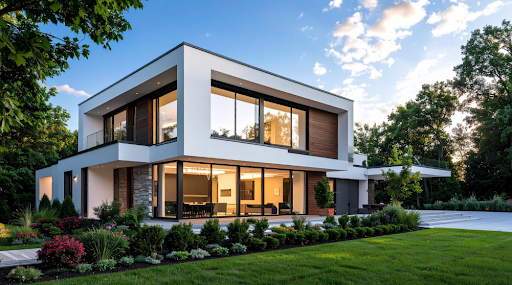
Weather plays a major role in the success and scheduling of any home-building project. From seasonal changes to unexpected storm conditions, these factors can directly influence how smoothly each phase progresses. This is especially important for homeowners planning custom home construction in Hinsdale, where varied weather patterns can affect both the pace and safety of on-site work. Understanding how these factors influence timelines helps homeowners set realistic expectations and stay prepared throughout the building journey. With the right planning and communication strategies, weather challenges can be managed effectively.
Foundation Work and the Importance of Ground Conditions
The early stages of home construction rely heavily on stable ground conditions.
Heavy rainfall can saturate the soil, making excavation and foundation installation difficult. Builders must wait for the ground to dry enough to ensure stability and prevent future structural issues. Snow or freezing temperatures can delay concrete pouring since cold conditions affect how it cures. These adjustments are necessary to maintain the long-term integrity of the home.
Framing and Structural Work During Unpredictable Weather
Once the foundation is complete, framing begins, and weather remains a determining factor.
Strong winds or heavy rain can slow progress and create safety concerns for crews. Moisture can also affect lumber if not properly protected. Builders often schedule framing during more predictable weather periods or use protective coverings to shield materials. Even with precautions, unexpected storms may require temporary pauses to maintain quality.
Exterior Work and Weather-Dependent Tasks
Exterior tasks such as roofing, siding, and window installation are particularly sensitive to weather. These phases require dry conditions to ensure proper sealing and durability. Rain can delay installation or require additional steps to prevent water intrusion. Extreme heat may impact the handling of certain materials. Builders carefully plan these tasks based on forecasts and adjust scheduling to ensure everything is completed correctly.
How Seasonal Conditions Shape the Construction Process
Every construction project is influenced by seasonal patterns. Understanding how to stay involved in your custom home construction journey emphasizes the importance of communication during weather-related delays. Winter can slow down or temporarily halt tasks such as foundation work and roofing because cold temperatures can affect materials and safety conditions. In contrast, summer provides longer daylight hours but may also bring storms or heat waves that require adjustments.
Interior Work and How Weather Plays a Subtle Role
Although interior construction is less affected by weather, it still depends on exterior completion. If roofing or insulation is delayed due to storms, interior work such as electrical installation, drywall, or flooring may need to wait. Humidity can also impact materials like wood and paint, requiring controlled indoor environments. Once the structure is sealed, builders can make up progress even during poor outdoor conditions.
Planning and Communication to Manage Timeline Changes
Weather delays are often unavoidable, but effective communication helps keep the process organized. Builders frequently adjust schedules based on detailed forecasts and maintain transparency with homeowners about potential changes. Clear updates allow homeowners to understand why adjustments are necessary and how they influence the overall timeline. This teamwork supports a smoother and more predictable building experience.
Adapting to Rapid Weather Shifts
In regions where conditions shift quickly, adaptability becomes essential.
Construction teams prepare by having alternative tasks ready when weather interruptions occur. For example, if outdoor work is paused, crews may focus on interior preparations or off-site tasks. This flexibility helps keep the project moving wherever possible.
Conclusion
Weather can significantly influence custom home construction timelines by affecting ground conditions, exterior work, and overall project sequencing. With careful planning, clear communication, and flexible scheduling, homeowners and builders can work together to navigate these challenges and maintain steady progress throughout the construction process.