

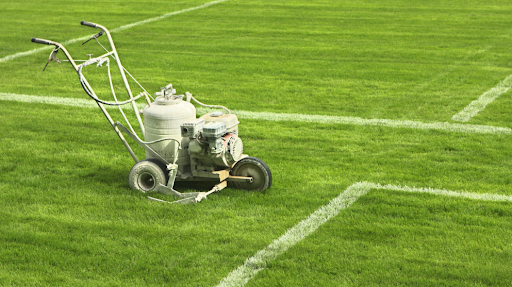
Striping machines play a crucial role in maintaining quality markings for parking lots, roadways, sports facilities, and industrial sites. Because these machines are used in demanding environments, consistent maintenance is essential for preserving accuracy, durability, and performance. When a striping machine is properly serviced, it delivers sharp lines, efficient paint usage, and reliable operation. Businesses that depend on these machines can extend their lifespan, reduce downtime, and improve work quality by adopting essential maintenance practices that support long-term efficiency.
Understanding Why Regular Maintenance Matters
Striping machines operate under constant pressure, exposure to heavy materials, and demanding job conditions. Without proper care, even well-built machines can experience wear, clogs, or mechanical failures.
Learning How Machine Types Influence Maintenance
Professionals often compare equipment types in discussions about robotic vs. manual striping machines, which boosts efficiency and helps them understand how different systems require unique maintenance strategies. Knowing the distinctions ensures the correct maintenance approach is used for each machine type.
Cleaning the Machine After Every Use
Paint and debris can quickly accumulate in key components, causing clogging and inconsistent line quality. Regular cleaning prevents these issues and maintains smooth operation.
Removing Paint Residue to Protect Components
Professionals clean spray tips, hoses, and paint tanks thoroughly after each job. This prevents buildup that can damage valves or disrupt pressure flow. A clean machine is far more reliable and produces sharper, more consistent lines.
Inspecting and Replacing Worn Parts
Over time, certain components naturally wear down. Identifying and replacing them early prevents performance issues and extends the lifespan of the equipment.
Monitoring High-Use Parts for Reliability
Spray tips, filters, and hoses are among the most frequently worn components. Regular inspections ensure these parts remain in optimal condition, reducing the risk of uneven striping or sudden failures during operation.
Keeping the Engine and Pump in Good Condition
For powered striping machines, proper engine and pump care is essential. These elements determine pressure consistency, paint flow, and overall performance.
Ensuring Smooth Operation Through Routine Servicing
Professionals check oil levels, fuel quality, belts, and pump pressure regularly. Proper servicing ensures the machine maintains adequate power and avoids overheating, stalling, or inconsistent spraying.
Calibrating Pressure and Spray Settings
Accurate pressure settings directly influence paint distribution and line quality. Incorrect calibration leads to thick lines, faded marks, or wasted material.
Adjusting the Machine for Precision
Before beginning a new project, technicians verify that pressure gauges, spray widths, and pattern settings match job requirements. Proper calibration improves efficiency, reduces rework, and supports consistent results across different surfaces.
Ensuring Proper Storage Between Jobs
Environmental exposure can damage a stripping machine. Protective storage practices help extend the lifespan of both mechanical and electronic components.
Protecting the Machine From Weather and Contamination
Machines should be stored in clean, dry environments away from excessive dust, moisture, or direct sunlight. Proper storage preserves sensitive components and prevents corrosion, leaks, or electrical issues.
Conclusion
Keeping striping machines in peak condition requires regular cleaning, thorough inspections, careful calibration, and proper storage. By combining these essential maintenance practices with a clear understanding of machine type and operational demands, businesses can extend equipment lifespan and achieve consistently high-quality results. Investing in professional servicing and scheduled maintenance ensures every project benefits from precise, efficient, and reliable striping performance.