

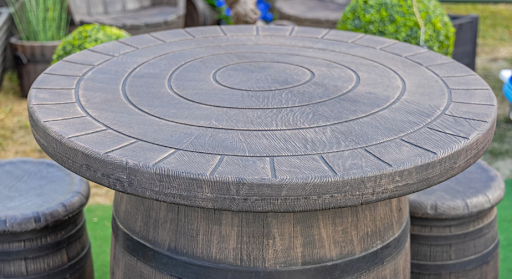
A well-styled home bar does more than store bottles. It becomes a focal point that reflects personal taste and appreciation for craftsmanship. Displaying spirits on barrel bars creates a setting where presentation and atmosphere matter just as much as selection. Within the first moments of entering a room, the bar sets the tone through material warmth and thoughtful arrangement. Choosing which spirits to showcase is an important part of the experience. The right combination adds visual balance while reinforcing the character of the bar itself. From classic selections to specialty bottles, the display should feel intentional and well curated.
Understanding the Role of Display in Bar Design
Before selecting spirits, it is helpful to understand how display supports the overall bar environment. A barrel bar naturally brings warmth, texture, and heritage into a space. The spirits chosen should complement that story rather than compete with it.
Balance is key. Too many bottles can feel cluttered, while too few may appear unfinished. Professional bar designs focus on symmetry, spacing, and height variation to create visual flow. Labels, colors, and bottle shapes all contribute to the final look.
Lighting also plays a role. Warm ambient light highlights wood grain and glass reflections, enhancing the overall presentation. This approach elevates the bar from storage to statement piece.
Whiskey and Bourbon as Centerpieces
Whiskey and bourbon are natural centerpieces for barrel bar displays. Their connection to barrel aging aligns perfectly with the material story of the furniture. Rich amber tones complement the wood while varied bottle designs add visual interest.
Displaying a range of styles, such as small batch single malt or aged blends, creates depth. Grouping bottles by height or color helps maintain order and sophistication. This method is commonly used in professionally designed bars to achieve a polished appearance. These spirits also signal tradition and craftsmanship, which resonates with the character of a barrel bar.
Complementary Spirits for Visual Variety
While whiskey often takes center stage, other spirits add contrast and diversity. Rum, with its darker tones and distinctive labels, pairs well with rustic wood textures. Tequila and mezcal introduce lighter hues and artisanal bottle designs that stand out against the backdrop.
Gin offers an opportunity for clear glass and botanical-inspired labels, which add freshness to the display. Liqueurs can be used sparingly to introduce pops of color without overwhelming the arrangement.
The goal is to create a balanced selection that feels curated rather than excessive. Professional services often assist in planning these displays to ensure harmony and visual appeal.
Enhancing the Experience With Seating
A barrel bar display is not complete without thoughtful seating that complements the furniture. Incorporating bar stools crafted from barrel materials reinforces design continuity and enhances comfort. These stools align with the bar aesthetic while providing practical seating for guests.
Proper stool height and spacing support both usability and visual proportion. When seating matches the bar design, the entire space feels cohesive and inviting. This attention to detail reflects professional planning and execution.
Glassware and Accessories as Supporting Elements
Beyond spirits, glassware and accessories contribute to the overall presentation. Selecting glass styles that align with the displayed spirits enhances functionality and appearance. Clear shelving or integrated storage keeps the focus on the bottles while maintaining organization.
Accessories should remain minimal to avoid visual clutter. Each element should support the story of craftsmanship and refinement that a barrel bar represents.
Conclusion
Displaying spirits on a barrel bar is about more than selection. It involves a balanced presentation and respect for the materials that define the space. By choosing spirits that complement the warmth of the wood and arranging them with intention, the bar becomes a refined centerpiece. Thoughtful seating and restrained accessories complete the experience, creating a setting that feels curated, welcoming, and enduring.