

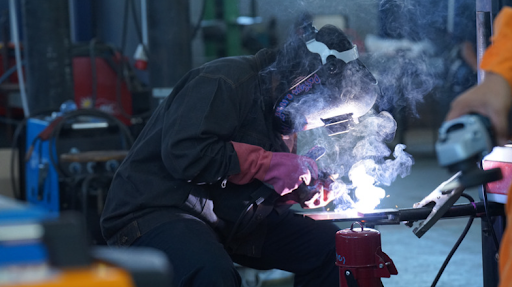
Ensuring the health and safety of your team is a top priority in any industrial setting, especially in spacious welding environments. The fumes and particulates generated during welding can pose significant health risks if not managed correctly. Implementing effective large room welding ventilation is not just about compliance; it’s about creating a safer, more productive workspace. The right equipment helps clear the air of harmful contaminants, protecting workers and ensuring operational efficiency. Choosing the appropriate system requires careful thought and an understanding of your facility’s specific needs.
Proper ventilation is crucial for maintaining air quality and adhering to safety standards. The following points will help guide you through the selection process.
Assessing Your Facility’s Needs
Before investing in any equipment, a thorough evaluation of your welding room is essential. The size of the space, the ceiling height, and the general layout all play a significant role in determining the most effective ventilation strategy.
Room Size and Layout
The total volume of your workspace is a primary factor. A larger room requires a system with a higher capacity to ensure adequate air exchange. Consider the number of welding stations and where they are located. Obstructions like machinery or structural columns can create dead zones where fumes may accumulate, so your ventilation plan must account for these areas to ensure comprehensive air cleaning.
Types of Welding and Materials
The specific welding processes you use and the materials being worked on will dictate the type and volume of fumes produced. For instance, welding stainless steel generates different, more hazardous fumes compared to mild steel. A robust welding fume extraction system is designed to handle these specific contaminants at the source, which is the most effective method of capture. This approach prevents fumes from spreading throughout the facility and ensures the air remains clean.
Choosing the Right Ventilation System
Once you have a clear picture of your needs, you can explore the different types of ventilation systems available. These generally fall into two main categories: source capture and ambient air cleaning.
Source Capture Systems
Source capture solutions, like fume extraction arms or hoods, are positioned directly at the point of welding. They are highly effective because they remove contaminants before they can enter the welder’s breathing zone or the general workshop environment. These systems are ideal for fixed welding stations where the work is consistent and localized.
Ambient Air Cleaning Systems
For large rooms or situations where source capture is impractical, ambient air cleaning systems are a great solution. These systems work by filtering the air in the entire room, continuously drawing in contaminated air and returning clean air. They are beneficial for facilities with multiple welders working in various locations or on large, immovable workpieces. They work well in tandem with source capture to ensure overall air quality.
Conclusion
Selecting the right ventilation equipment for a large welding room is a critical decision that directly impacts worker safety and regulatory compliance. By carefully assessing your room’s size, layout, and the specific welding applications, you can make an informed choice. Prioritizing a professional system designed for your unique industrial environment ensures the effective removal of harmful fumes and particulates, fostering a healthier and more productive workplace for everyone.